Bear River Migratory Bird Refuge
Nearly 80,000 acres of marsh where the Bear River meets the Great Salt Lake, with a 12-mile auto tour.
- County
- Box Elder
- Best seasons
- Spring, Fall, Winter
- Look for
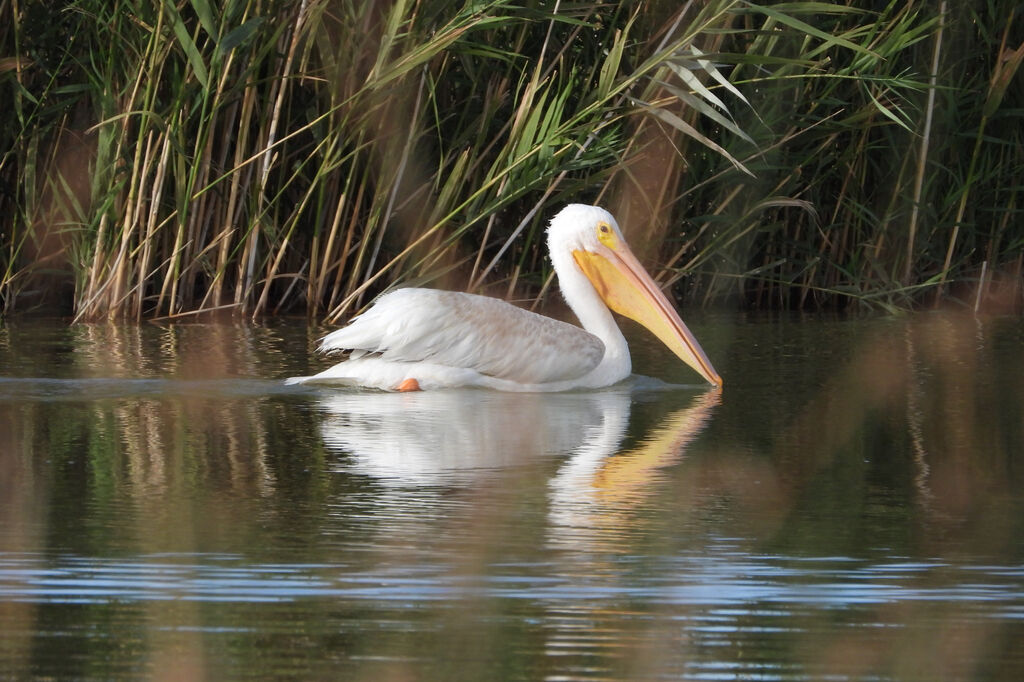
- American Avocet, White-faced Ibis, Tundra Swan, Bald Eagle
- Managed by
- U.S. Fish and Wildlife Service
- Hours and fees
- Check the USFWS page before you go.
- Getting around
- Three short trails at the visitor center: Wetland Wonders, about half a mile; Bulrush Bridge, about three-quarters of a mile; and Marsh Meander, about a mile and a half. About a mile is accessible, including a paved half-mile trail.
- Facilities
- The auto tour loop and trails are open sunrise to sunset all year, weather permitting. The visitor center is open Tuesday to Saturday, 10 to 4. It sits just west of I-15 at exit 363, and the auto tour starts 12 miles farther west. Hunting is allowed in parts of the refuge in season.
The refuge was set up in 1928, after marshes were lost and disease killed huge numbers of birds. Today it's the largest freshwater part of the Great Salt Lake system, and more than 250 kinds of birds use it.
White-faced Ibis nest here in colonies of up to 10,000. Drive the one-way auto tour slowly and stay in your car, which makes a good blind. In fall the refuge can hold up to half a million ducks and geese, and Tundra Swans arrive from mid-October.